
How a Culture of Continuous Improvement Creates Long-Term Operational Impact
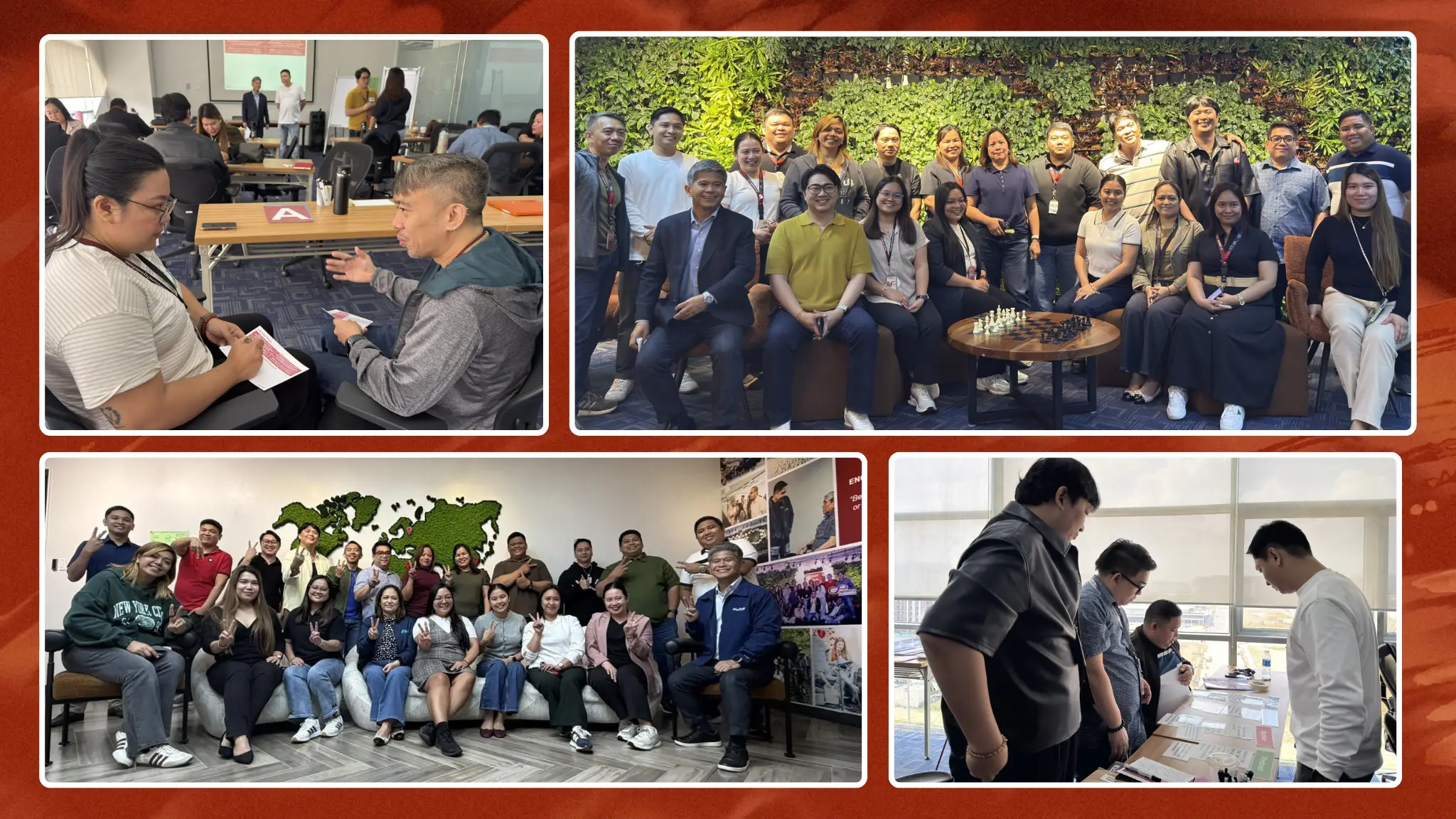
In outsourcing, operational success is often measured through speed, efficiency, and scalability. But behind every high-performing operation is something less visible and far more important: a culture that continuously improves how people work, solve problems, and create value.
At Infinit-O, continuous improvement is not treated as a one-time initiative or a management trend. It is embedded into the company’s organizational development strategy to create long-term operational impact for clients, employees, and communities.
As a Certified B Corporation, Infinit-O recognizes that sustainable business performance goes beyond delivering services efficiently. Long-term growth requires organizations to invest in people, encourage innovation, and build systems that evolve alongside changing business needs.
This mindset shapes how Infinit-O develops talent, improves workflows, and strengthens operational resilience across its finance and healthcare outsourcing services.
Why Continuous Improvement Matters in Modern Outsourcing
The outsourcing industry continues to evolve rapidly. Organizations are managing increasing operational complexity, rising customer expectations, stricter compliance requirements, and ongoing pressure to improve productivity without significantly increasing costs.
Traditional outsourcing models focused heavily on labor arbitrage. Today, businesses expect more strategic value from their outsourcing partners. They need providers that can optimize processes, adapt quickly, and proactively identify opportunities for improvement.
This is where a strong continuous improvement culture becomes critical.
Continuous improvement creates an environment where teams are encouraged to identify inefficiencies, refine workflows, and contribute ideas that improve operational outcomes over time. Instead of waiting for problems to escalate, organizations become more proactive, agile, and innovation-driven.
For clients, this translates into:
- Improved operational efficiency
- Faster turnaround times
- Better process visibility
- Reduced operational risks
- More scalable support models
- Stronger service consistency
For employees, it creates opportunities to grow beyond repetitive task execution and contribute to meaningful operational transformation.
Organizational Development as a Driver of Innovation
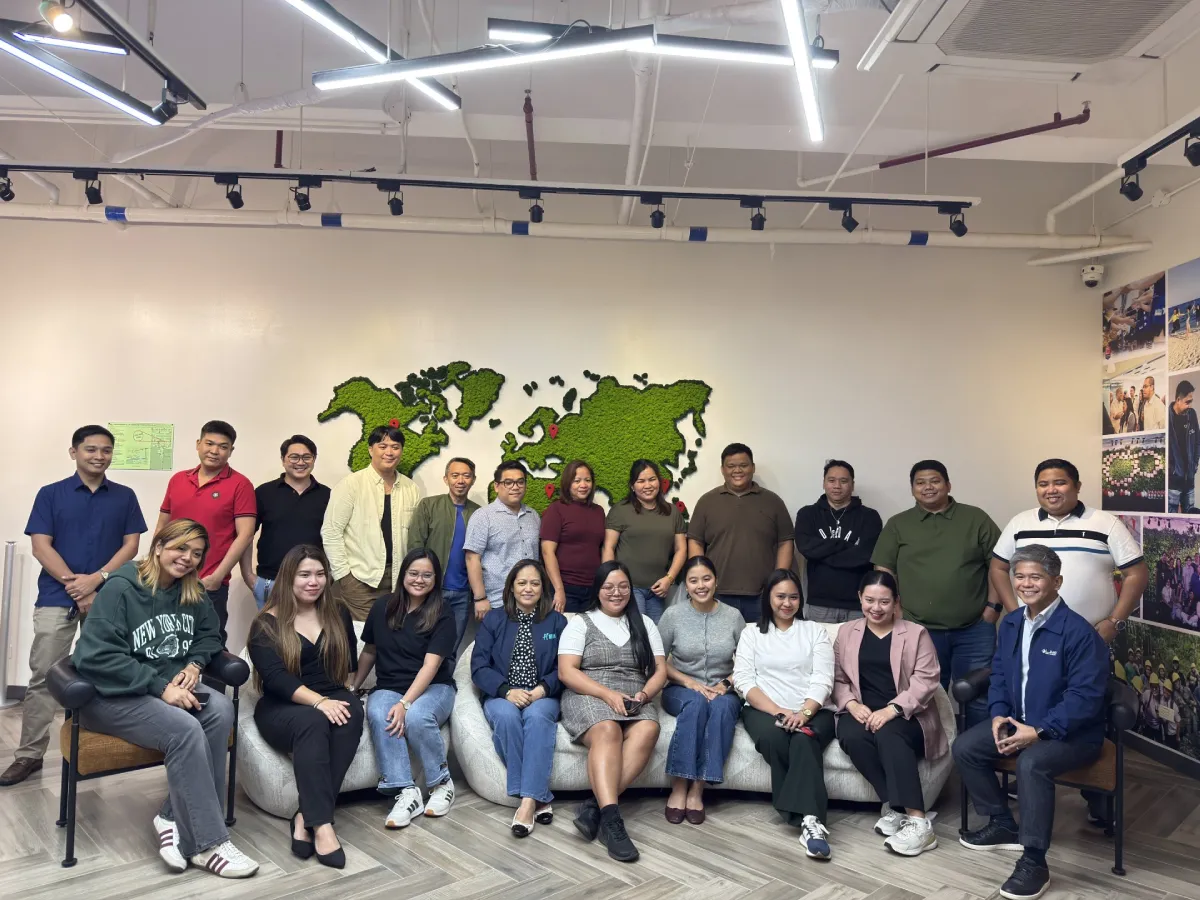
At Infinit-O, organizational development plays a central role in building this culture.
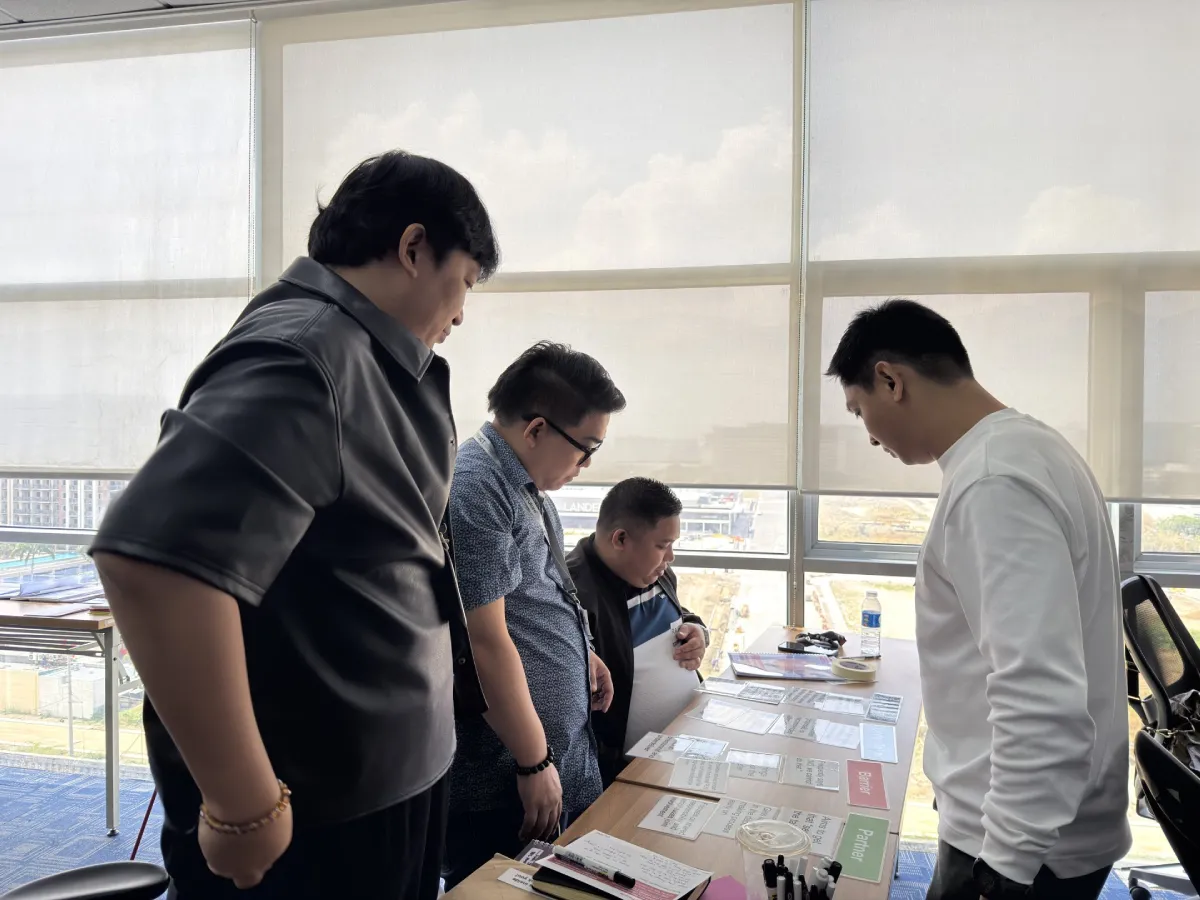
Rather than viewing training as a compliance requirement, the company invests in learning initiatives that strengthen both technical capabilities and innovation thinking. Employees are encouraged to continuously enhance their skills, collaborate across teams, and participate in operational improvement initiatives.
This approach helps create a workforce that is not only process-oriented, but also solution-oriented.
Innovation in outsourcing does not always come from large-scale transformation projects. Often, operational impact comes from smaller improvements consistently implemented over time:
- Streamlining reporting workflows
- Reducing manual dependencies
- Improving turnaround visibility
- Enhancing communication processes
- Automating repetitive administrative tasks
- Standardizing quality assurance procedures
These operational enhancements may appear incremental individually, but collectively they create measurable long-term business value.
More importantly, they strengthen organizational adaptability in an industry where client expectations and technologies continue to evolve.
Empowering Employees to Improve Processes
One of the most important components of continuous improvement is employee empowerment.
Frontline teams interact with operational processes every day. They often identify workflow gaps, inefficiencies, and opportunities faster than leadership teams because they experience operational friction firsthand.
Organizations that fail to listen to employees risk missing valuable insights that could improve performance and customer experience.
Infinit-O promotes a culture where employees are encouraged to contribute ideas, participate in process improvement discussions, and collaborate across departments. This creates stronger engagement while helping operational improvements emerge organically from within the organization.
A culture of innovation becomes more sustainable when employees feel that their contributions influence real operational outcomes.
This also supports retention and professional growth. Employees are more likely to stay engaged when they see clear opportunities to learn, contribute, and evolve within the organization.
For outsourcing companies, this matters significantly. High employee engagement often correlates with:
- Better service quality
- Lower attrition
- Stronger operational consistency
- Faster onboarding efficiency
- Improved client experience
In other words, organizational development is not separate from operational performance. It directly influences it.


Technology and Human Capability Must Work Together
As organizations increasingly adopt AI, automation, and digital tools, continuous improvement becomes even more important.
Technology alone does not solve operational challenges. Without the right culture, even advanced tools can create fragmented workflows, low adoption, or operational inefficiencies.
Infinit-O approaches innovation through a balanced model where technology supports people rather than replaces operational thinking.
This includes exploring automation opportunities, improving workflow visibility, and enabling teams to focus on higher-value activities instead of repetitive manual tasks.
At the same time, organizational development ensures employees are equipped to adapt to evolving technologies and operational models.
This balance between technology and human capability is becoming a critical differentiator in modern outsourcing.
Companies that invest only in tools may improve short-term efficiency. Companies that invest in both people and innovation create sustainable operational advantages.
Continuous Improvement Supports Long-Term Business Impact
As a Certified B Corporation, Infinit-O believes operational excellence should create positive impact beyond financial performance alone.
Continuous improvement contributes not only to client outcomes, but also to employee development, organizational resilience, and long-term sustainability.
When organizations foster innovation cultures:
- Employees become more engaged
- Teams become more adaptable
- Operational risks become easier to manage
- Client partnerships become stronger
- Business growth becomes more sustainable
This is particularly important in finance and healthcare outsourcing, where operational accuracy, compliance, and scalability directly affect business performance.
Organizations today are not simply looking for vendors that complete tasks. They are seeking strategic partners that continuously evolve alongside their business needs.
A strong continuous improvement culture signals that an organization is prepared to adapt, innovate, and deliver value over the long term.
Building a Future-Ready Outsourcing Organization
Continuous improvement is not achieved through a single workshop, technology investment, or leadership initiative. It is built through consistent organizational development, employee empowerment, and operational accountability.
At Infinit-O, this mindset continues to shape how teams collaborate, innovate, and deliver services across the organization.
As industries continue to face operational disruption, companies that prioritize learning, adaptability, and innovation will be better positioned to navigate change and create sustainable growth.
For businesses evaluating outsourcing partnerships, culture matters more than ever.
Because long-term operational impact is not driven by processes alone. It is driven by people and organizations committed to improving continuously.



This site is protected by reCAPTCHA and the Google Privacy Policy and Terms of Service apply.